


If you’re updating a kitchen or bathroom, ripping out old tiles can feel like the most disruptive — and expensive — part of the process. So it’s no surprise that many homeowners ask the same question early on:
Can glass splashbacks be installed over existing tiles?
The short answer is: sometimes, yes.
The longer answer is that it depends on several important factors, including wall condition, tile layout, and how the space is used.
This guide explains when installing glass splashbacks over tiles is possible, when it’s not recommended, and what to consider before ordering — so you can make a confident, informed decision.
Why This Question Comes Up So Often
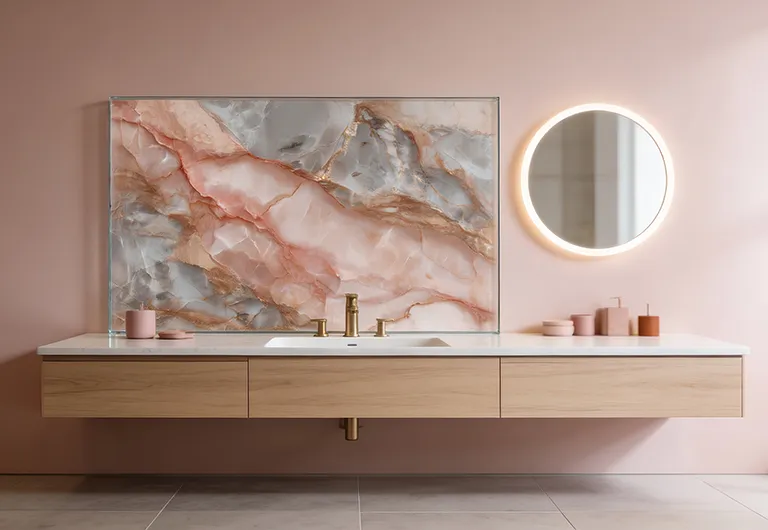
Glass splashbacks are often chosen as a modern alternative to tiles, especially in kitchens and bathrooms. They offer a smooth, seamless surface that’s easy to clean and visually uncluttered.
But removing existing tiles can involve:
- Mess and dust
- Additional labour costs
- Longer renovation times
Understandably, many homeowners look for a solution that updates the space without a full strip-back.
The Short Answer: Is It Possible?
Yes, glass splashbacks can sometimes be installed over existing tiles, but only when certain conditions are met.
Installing over tiles is not automatically the best option — and in some cases, it can cause more problems than it solves. The key is knowing what to check before committing.

What Determines Whether Tiles Can Be Covered?
1. Condition of the Existing Tiles
The existing tiles must be:
- Firmly bonded to the wall
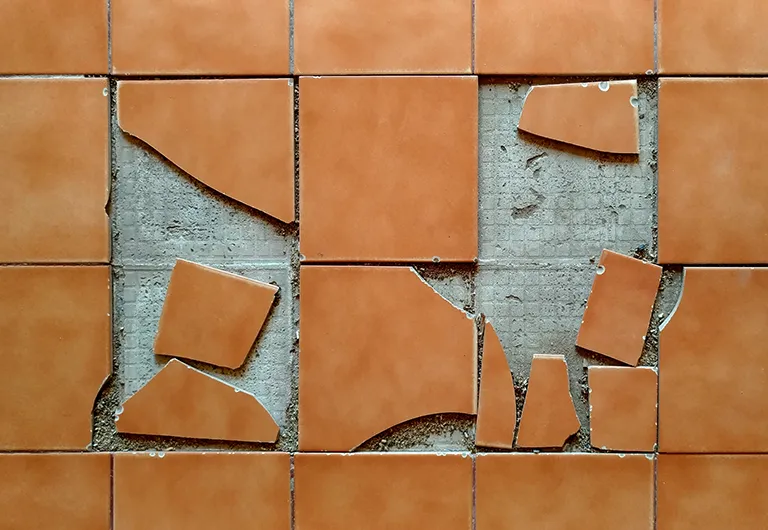
- Free from cracks or movement
- In good overall condition
Loose, cracked, or hollow tiles can compromise the stability of the glass splashback. Because glass panels are manufactured to precise measurements, the surface behind them needs to be solid and reliable.
2. Flatness of the Wall
Glass splashbacks require a reasonably flat surface.
Tiles with:
- Heavy texture
- Deep grout lines
- Uneven spacing
can create gaps behind the glass. These gaps may affect how securely the splashback sits and how it looks once installed.
In some cases, uneven tiles can cause stress points in the glass, which is best avoided.
3. Tile Size and Layout
Tile layout matters more than many people realise.
Large-format tiles with shallow grout lines are often more suitable than:
- Small mosaic tiles
- Heavily patterned tiles
- Tiles with deep grout channels
The more uniform the tiled surface, the more likely installation over tiles will be successful.
Kitchens vs Bathrooms: Does It Make a Difference?
Kitchens
In kitchens, glass splashbacks are often installed behind:
- Hobs
- Worktops
- Sinks
Because these areas are exposed to heat and regular use, stability is especially important. If tiles are uneven or poorly bonded, removing them is often the safer option in the long term.
Bathrooms
Bathrooms are sometimes more forgiving, particularly in low-impact areas. However, moisture exposure means wall integrity is still critical.
If tiles show signs of water damage or movement, installing glass over them may only hide a deeper issue.
Pros of Installing Glass Splashbacks Over Tiles
When conditions are right, installing over tiles can offer some advantages:
- Reduced mess and disruption
- Faster installation process
- Lower labour costs
- No need to dispose of old tiles
For homeowners looking for a quicker update, this can be appealing.
Cons and Risks to Be Aware Of
Installing glass splashbacks over tiles also comes with potential downsides:
- Reduced adhesion if tiles are uneven
- Increased thickness at wall edges
- Difficulty aligning around sockets and fittings
- Risk of hidden issues behind tiles
In some cases, removing tiles first can actually lead to a cleaner, more reliable finish.
How Tile Removal Affects the Final Result
Removing tiles allows:
- A flat, prepared surface
- More precise measurements
- A flush finish against walls and worktops
While it adds time and cost upfront, it can improve the overall quality and longevity of the finished splashback.
For many homeowners, this trade-off is worth considering.
Common Questions Homeowners Ask
Will the splashback stick properly to tiles?
It depends on tile condition, flatness, and fixing method. Secure bonding is essential for safety and appearance.
Will the tiles show through the glass?
No, but uneven tiles can affect how the glass sits and how reflections appear.
Does installing over tiles make the splashback stick out?
Yes, slightly. This may affect how it aligns with worktops, cupboards, or sockets.
Alternatives to Installing Over Tiles
If installing directly over tiles isn’t suitable, alternatives include:
- Removing tiles and preparing the wall properly
- Installing glass only in key areas
- Using glass wall art in non-functional zones
Each option has different implications for cost, appearance, and longevity.
Things to Consider Before Ordering
Before ordering a glass splashback to install over tiles, think about:
- Are the tiles solid and level?
- Will added thickness affect sockets or fittings?
- Is the area exposed to high heat or moisture?
- Do you want the most seamless finish possible?
Answering these questions early can help avoid delays or changes later.

Making a Confident Decision
There’s no universal right answer. Installing glass splashbacks over existing tiles can work well in the right circumstances, but it’s not always the best solution.
If the existing surface is uneven or unstable, removing tiles may lead to a better, longer-lasting result — even if it feels like a bigger step initially.
Taking time to assess the wall properly allows you to choose the option that suits your space, budget, and expectations.
Final Thoughts
So, can glass splashbacks be installed over existing tiles?
In some cases, yes — but only when the tiled surface is flat, secure, and suitable. While installing over tiles can save time and disruption, it’s not always the safest or most durable option.
A considered decision now can help ensure your glass splashback looks good and performs well for years to come.