


When planning a kitchen or bathroom update, wall finishes are often one of the last decisions made, yet they have a huge impact on how the space looks, feels, and functions day to day. One of the most common comparisons homeowners make is glass splashbacks vs tiles.
Tiles have been the default choice for decades. Glass splashbacks are a more modern alternative, but many people are unsure whether they are practical, safe, or worth the investment.
This guide is designed to help you make a confident, informed decision. We’ll compare glass splashbacks and tiles across cost, durability, maintenance, appearance, and long-term value, without hype or sales pressure.
What Is a Glass Splashback?
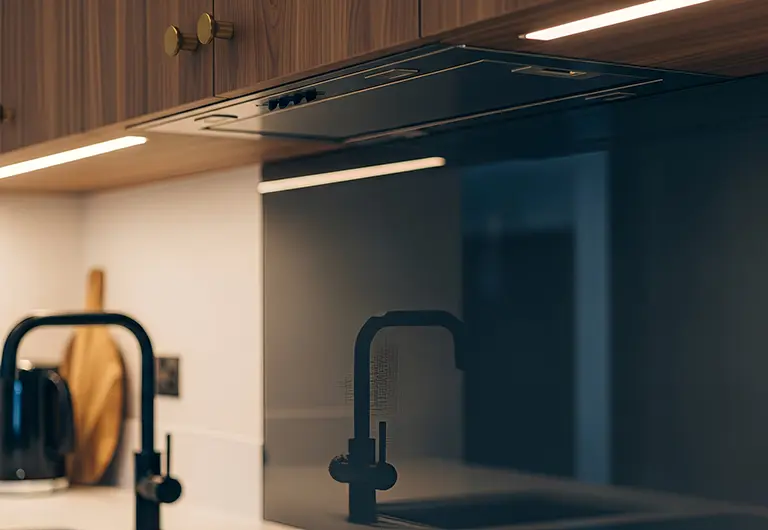
A glass splashback is a single panel of toughened glass installed behind sinks, hobs, or worktops to protect walls from heat, moisture, and splashes. It can be clear, coloured, textured, or printed with artwork or imagery.
Glass splashbacks are commonly used in:
- Kitchens (behind cookers and sinks)
- Bathrooms and en-suites
- Utility rooms
They are typically made from toughened safety glass, designed to withstand heat and daily use when manufactured correctly.
What Are Tiled Splashbacks?
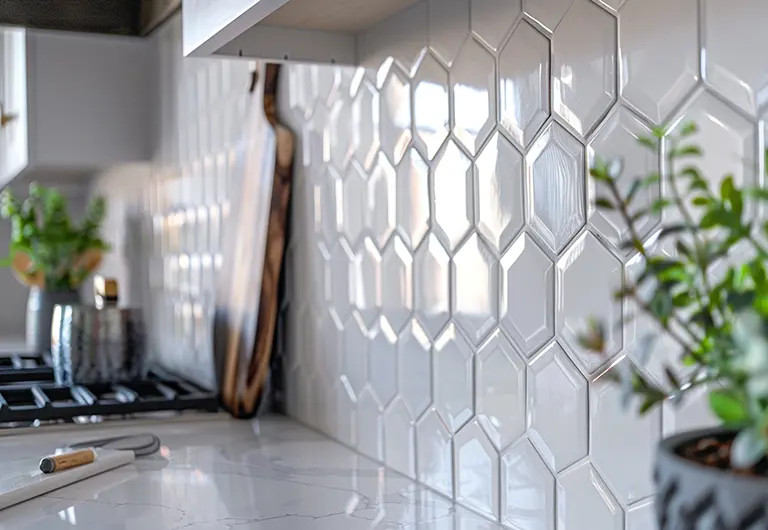
Tiled splashbacks are created using individual ceramic, porcelain, or stone tiles fixed to the wall with adhesive and grout. They can range from classic metro tiles to decorative patterns and mosaics.
Tiles are widely used because they are familiar, flexible in style, and available at many price points.
Glass Splashbacks vs Tiles: Key Differences at a Glance
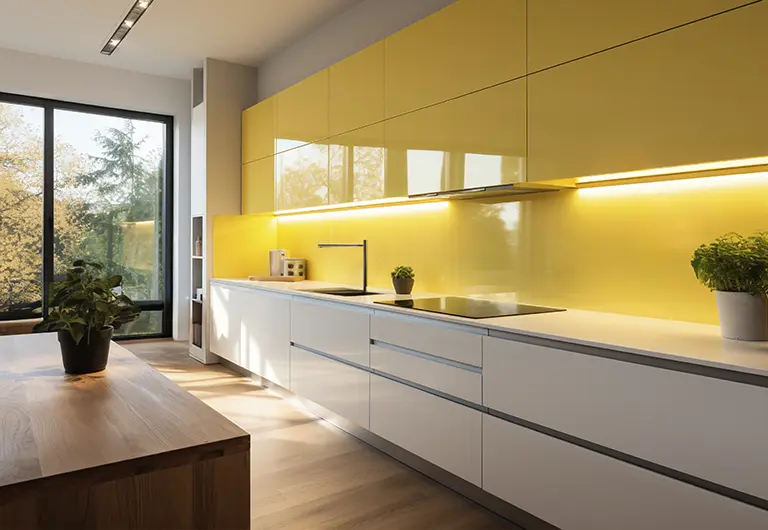
Before diving into detail, here’s how they broadly compare:
- Glass splashbacks: Seamless, modern, easy to clean, higher upfront cost, minimal maintenance
- Tiles: Traditional, flexible designs, visible grout lines, lower initial cost, higher ongoing upkeep
The right choice depends on how you use the space and what matters most to you long term.
Appearance and Design Flexibility
Glass Splashbacks: Clean and Contemporary
Glass splashbacks create a smooth, uninterrupted surface. This gives kitchens and bathrooms a clean, modern feel and works especially well in contemporary homes or smaller spaces where visual clutter can make rooms feel cramped.
Design options include:
- Solid colours matched to cabinetry or worktops
- Subtle textures or frosted finishes
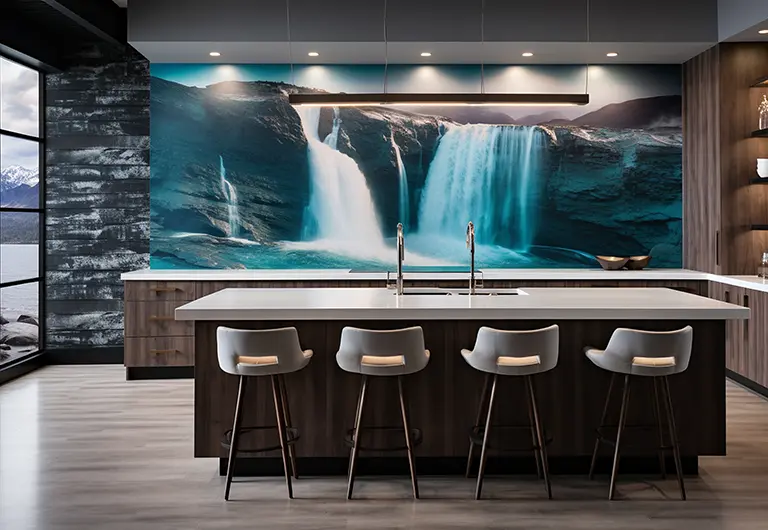
- Custom printed designs or artwork
Because glass reflects light, it can also help brighten darker kitchens or compact bathrooms.
Tiles: Character and Variety
Tiles offer almost endless variety in terms of shape, colour, pattern, and finish. They can add character to period homes or create a bold design feature when used creatively.
However, tiled areas are visually busier by nature. Grout lines break up the surface, which can make smaller kitchens or bathrooms feel more crowded if not carefully designed.
Cleaning and Maintenance
Glass Splashbacks: Low Effort, Low Maintenance
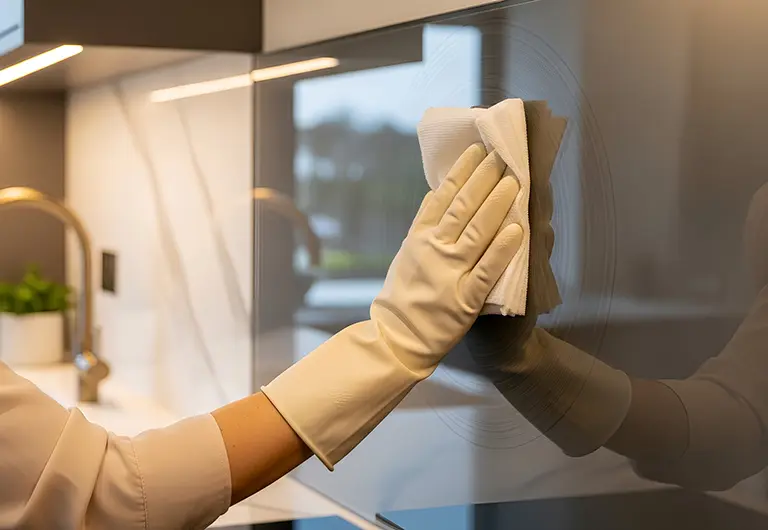
One of the biggest advantages of glass splashbacks is how easy they are to keep clean.
- No grout lines to scrub
- Smooth surface wipes clean with a cloth
- Resistant to stains and splashes
For busy households, this simplicity can be a major selling point.
Tiles: More Maintenance Over Time
Tiles themselves are durable, but grout is porous and can absorb grease, moisture, and dirt. Over time, grout may discolour or require re-sealing or cleaning with specialist products.
In kitchens especially, this ongoing maintenance is something many homeowners underestimate.
Durability and Safety
Are Glass Splashbacks Safe?
A common concern is whether glass splashbacks crack or shatter. When made from toughened safety glass, splashbacks are designed to withstand heat and everyday use in kitchens and bathrooms.
If broken (which is rare), toughened glass is designed to break into small, blunt pieces rather than sharp shards.
Glass splashbacks are heat-resistant when specified correctly for use behind hobs.
Tiles: Hard-Wearing but Vulnerable to Cracks
Tiles are durable but not indestructible. Individual tiles can crack or chip if struck, and repairs often involve replacing specific tiles — which can be difficult if the originals are no longer available.
Grout can also deteriorate over time, particularly in high-moisture areas.
Cost Considerations: Short-Term vs Long-Term
Upfront Cost
Tiles generally have a lower initial cost, especially if using standard ceramic tiles. Glass splashbacks tend to cost more upfront due to materials and manufacturing.
However, price varies significantly depending on:
- Size of the area
- Design complexity
- Finish or customisation
Long-Term Value
While tiles may be cheaper initially, ongoing maintenance and potential repairs can add up. Glass splashbacks often offer better long-term value due to their durability and minimal upkeep.
For homeowners planning to stay in their property long term, this can make a noticeable difference.
Installation Considerations
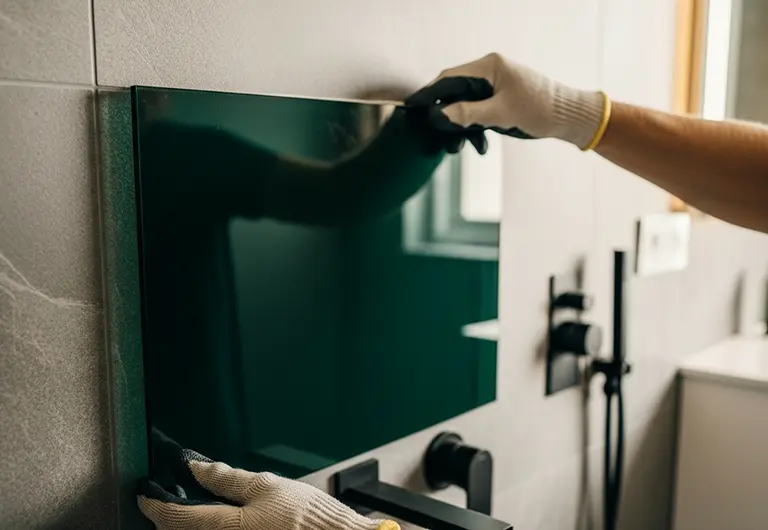
Both tiles and glass splashbacks require accurate measurements and professional installation for best results.
Glass splashbacks are typically installed as single panels, which reduces alignment issues and visual breaks. Tiles involve multiple pieces and grout lines, which means more variables during fitting.
If installation is a concern, it’s worth discussing options with suppliers or installers early in the planning process.
Suitability for Kitchens and Bathrooms
Kitchens
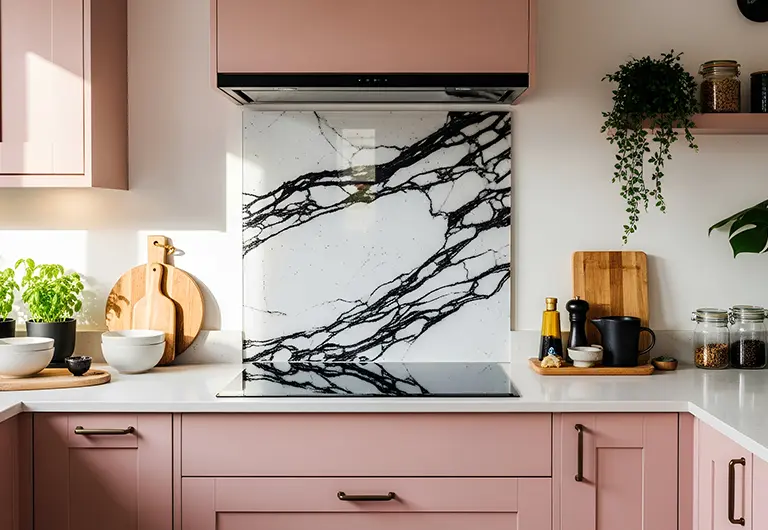
Glass splashbacks are particularly popular behind hobs and sinks due to:
- Heat resistance
- Ease of cleaning
- Seamless appearance
Tiles still work well in kitchens but require more maintenance around cooking areas.
Bathrooms

In bathrooms, glass splashbacks provide a waterproof, hygienic surface with fewer places for mould to develop. Tiles remain common, especially in traditional designs, but grout maintenance is a frequent frustration.
Common Questions Buyers Ask
Can glass splashbacks be installed over tiles?
In some cases, yes, but this depends on wall condition and measurements. Always check with a professional before planning.
Do glass splashbacks show marks?
Like any glossy surface, they can show fingerprints or water marks, but they clean easily without specialist products.
Are tiles more “future-proof”?
Tiles are familiar, but glass splashbacks have become increasingly popular and are now a recognised, trusted option in modern homes.
Which Should You Choose?

Choose glass splashbacks if you value:
- Easy cleaning
- A modern, seamless look
- Low long-term maintenance
- Custom design options
Choose tiles if you prefer:
- Traditional styles
- Patterned or textured finishes
- Lower upfront costs
There is no universally “right” answer – only what suits your space, lifestyle, and expectations.
Final Thoughts
When comparing glass splashbacks vs tiles, the decision comes down to more than appearance. Cleaning, durability, and long-term maintenance all play a role in how satisfied you’ll be years down the line.
If you’re considering glass as an option, take time to explore different finishes, sizes, and applications so you can see how it might work in your own space.
Making an informed choice now can save time, effort, and frustration later – whichever option you choose.